
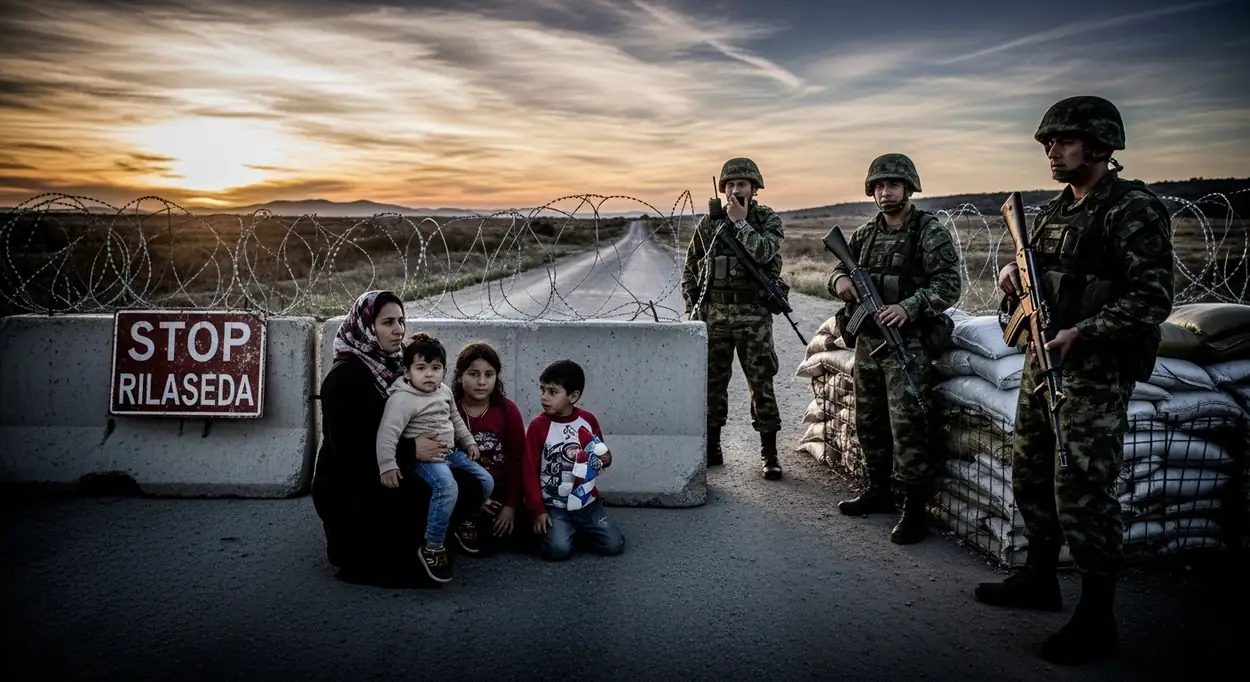
En momentos de crisis social extrema, cuando se declara ley marcial, existen cinco categorías específicas de posesiones que históricamente han sido confiscadas primero por las autoridades gubernamentales. No estamos hablando de teorías conspirativas, sino de precedentes documentados que han ocurrido en países como Estados Unidos, Argentina, España y otros territorios hispanos durante situaciones de emergencia nacional.
La preparación para ley marcial requiere comprender exactamente qué recursos están en riesgo de confiscación, cómo han actuado los gobiernos históricamente durante estas crisis, y sobre todo, qué estrategias prácticas puedes implementar hoy para proteger tu autonomía familiar cuando las reglas normales se suspenden temporalmente.
En esta guía completa, analizaremos las confiscaciones documentadas durante el huracán Katrina, el racionamiento energético de la Segunda Guerra Mundial, las órdenes ejecutivas que permiten requisar alimentos privados, las estrategias de bloqueo comunicacional, y los métodos de diversificación que realmente funcionan cuando todo se complica.
(Inserir imagen aqui sobre família hispânica organizando suprimentos de emergência em casa. A imagem deve mostrar pessoas preparando kits de sobrevivência com alimentos, água e suprimentos básicos).
Lo que encontrarás aquí:
¿Qué Libertades Fundamentales Pierdes Inmediatamente Durante la Ley Marcial?
Cuando se declara ley marcial en situaciones de emergencia, la autoridad civil se suspende completamente y el control pasa directamente a las fuerzas armadas. Este cambio significa que tus derechos constitucionales básicos, incluso en democracias consolidadas, quedan temporalmente suspendidos bajo justificación de seguridad nacional.
Restricciones Inmediatas de Movimiento y Comunicación
La primera libertad que desaparece es tu capacidad de moverte libremente. Los toques de queda se implementan inmediatamente, generalmente entre las primeras 6 a 12 horas según estudios de la Rand Corporation. Controles militares aparecen en carreteras principales, y las restricciones pueden impedirte salir de tu ciudad, barrio, o incluso tu propia casa durante horarios específicos.
España experimentó esto durante los estados de alarma por COVID-19, que aunque técnicamente no era ley marcial, implementó restricciones similares de movimiento que duraron casi un año. Argentina vivió controles aún más severos durante la dictadura militar de 1976-1983, donde el toque de queda se combinaba con patrullas armadas que detenían a cualquier persona en las calles después del horario establecido.
Control Total de Información y Medios
La segunda libertad suspendida es tu derecho a información libre e imparcial. Los medios de comunicación pasan bajo censura militar directa, internet sufre restricciones severas, y las redes sociales son monitoreadas constantemente por agencias de seguridad.
En Venezuela, durante las crisis políticas de 2017 y 2019, observamos cómo se bloquearon señales de televisión independiente y se restringió el acceso a plataformas digitales internacionales. El objetivo gubernamental es claro: controlar completamente la narrativa informativa y prevenir que datos “no autorizados” circulen entre la población civil.
¿Cuáles Son las Primeras Posesiones Físicas Que Confiscan las Autoridades?
Las confiscaciones durante ley marcial siguen patrones históricos predecibles, comenzando con elementos que las autoridades consideran más peligrosos para su control territorial.
Armas de Fuego y Municiones: El Precedente del Huracán Katrina
Las armas civiles encabezan universalmente la lista de confiscaciones, respaldado por precedentes documentados. Durante el huracán Katrina en Nueva Orleans (2005), las autoridades confiscaron más de 1,000 armas de fuego de ciudadanos que las poseían completamente dentro de la legalidad, según reportes del Institute for Justice.
El detalle crítico que muchos preppers desconocen es el papel de los registros gubernamentales. En la Alemania nazi, antes de 1938, cualquier ciudadano podía poseer armas libremente, simplemente debía registrarlas oficialmente. Cuando el régimen tomó control absoluto, consultaron precisamente esos registros para localizar y confiscar sistemáticamente cada arma registrada.
Esta lección histórica es extremadamente relevante: los registros de armas se transforman automáticamente en listas de confiscación cuando las autoridades cambian las reglas operativas del sistema legal.
Recursos Financieros y Ahorros Bancarios
El dinero y ahorros privados constituyen el segundo objetivo prioritario. Los bloqueos bancarios, límites drásticos en retiros de efectivo, y en casos extremos, la confiscación directa de cuentas bancarias han sido implementados repetidamente durante crisis nacionales.
Argentina experimentó esto durante el “corralito” de 2001, donde los ciudadanos perdieron acceso completo a sus propios ahorros durante meses. En Chipre (2013), se confiscó directamente un porcentaje significativo de los depósitos bancarios para “rescatar” el sistema financiero nacional bajo supervisión internacional.
¿Qué Recursos Esenciales Quedan Bajo Control Gubernamental Inmediato?
Los recursos de supervivencia básica que mantienes para autonomía familiar también entran directamente en la mira del control estatal durante situaciones de ley marcial.
Combustible y Energía: Lecciones de la Segunda Guerra Mundial
El combustible y energía se racionan inmediatamente bajo control militar. Durante la Segunda Guerra Mundial, tanto Estados Unidos como España bajo el régimen de Franco implementaron sistemas de cupones estrictos para gasolina y otros combustibles esenciales.
Documentos desclasificados del Departamento de Energía estadounidense revelan planes detallados para priorizar distribución durante emergencias nacionales: primero fuerzas militares, segundo servicios gubernamentales esenciales, tercero transporte público, y finalmente, consumidores civiles privados.
Alimentos Almacenados y Reservas Privadas
Los alimentos almacenados privadamente pueden ser requisados bajo órdenes ejecutivas ya existentes en múltiples países. En Estados Unidos, dos administraciones presidenciales diferentes han firmado órdenes que otorgan al gobierno autoridad legal para confiscar reservas alimentarias privadas durante crisis nacionales bajo justificación de “equidad distributiva social”.
La situación práctica sería así: autoridades tocan tu puerta y declaran: “Sabemos que tienes alimentos almacenados. Tu vecino no tiene comida para alimentar a sus hijos. Vamos a redistribuir parte de tus reservas según protocolo de emergencia nacional.” Bajo ley marcial, legalmente no tienes recurso de apelación disponible.
Medicamentos y Atención Sanitaria
Los medicamentos esenciales y atención médica se priorizan según criterios gubernamentales en lugar de necesidades médicas individuales. Los hospitales privados pasan automáticamente bajo control militar, y medicinas críticas se distribuyen exclusivamente a través de centros controlados por autoridades estatales.
Venezuela durante la crisis sanitaria de 2016-2019 ejemplifica esto perfectamente: medicamentos para diabetes, hipertensión y otras condiciones crónicas simplemente desaparecieron de farmacias privadas, permaneciendo disponibles únicamente en centros de distribución controlados gubernamentalmente.
| Recurso Confiscado | Tiempo de Confiscación | Precedente Histórico | Estrategia de Protección |
|---|---|---|---|
| Armas de fuego | 0-24 horas | Huracán Katrina 2005 | Diversificación de ubicaciones |
| Cuentas bancarias | 1-7 días | Argentina 2001, Chipre 2013 | Efectivo físico, metales preciosos |
| Combustible privado | 1-3 días | Segunda Guerra Mundial | Energías alternativas, almacenamiento oculto |
| Alimentos almacenados | 3-14 días | Órdenes ejecutivas US | Distribución en múltiples ubicaciones |
| Medicamentos esenciales | 1-7 días | Venezuela 2016-2019 | Reservas familiares, tratamientos alternativos |
¿Cómo Bloquean y Controlan las Comunicaciones Durante la Ley Marcial?
El control de comunicaciones durante emergencias representa quizás el aspecto más sofisticado y peligroso de la ley marcial moderna, especialmente considerando las capacidades tecnológicas actuales.
Bloqueo Total de Comunicaciones Civiles
El bloqueo incluye teléfonos celulares, internet residencial, radio AM/FM comercial, y crucialmente para preppers, radios de banda civil y equipos de radioaficionados. Las fuerzas militares modernas poseen tecnología avanzada para interferir cualquier frecuencia de radio civil, desde walkie-talkies básicos hasta equipos de radioaficionado de alta potencia.
Además, pueden triangular tu posición geográfica exacta si transmites por radio durante períodos de control. Esa comunicación que consideras segura y privada se convierte automáticamente en una baliza que revela precisamente tu ubicación a las autoridades de control.
Interceptación y Monitoreo Masivo
Durante los disturbios en Ferguson, Missouri (2014), las autoridades desplegaron equipos llamados “stingrays” que imitan torres de telefonía celular para interceptar automáticamente todas las comunicaciones móviles dentro de un área geográfica específica. Cada mensaje de texto, cada llamada telefónica, cada ubicación de dispositivo quedó completamente registrada y disponible para análisis posterior.
La lección práctica es que si estás comunicándote electrónicamente durante ley marcial, las autoridades no solo saben qué estás diciendo, sino exactamente dónde te encuentras y con quién te comunicas regularmente.
Estrategias de Comunicación Alternativa
Las comunicaciones de respaldo efectivas deben ser más creativas y menos dependientes de tecnología interceptable:
- Redes comunitarias presenciales: Reuniones cara a cara en ubicaciones preestablecidas
- Puntos de encuentro rotativos: Lugares acordados previamente que cambian según calendarios predeterminados
- Sistemas de señales visuales: Códigos usando objetos cotidianos en ventanas o patios
- Mensajes físicos ocultos: Notas en ubicaciones secretas acordadas entre contactos de confianza
La coordinación debe ocurrir antes de la crisis: “Si los celulares fallan completamente, nos reunimos cada dos días a las 6 PM en este lugar específico.” Es un método antiguo pero completamente efectivo porque no depende de infraestructura tecnológica que pueden interferir o controlar.
¿Cuáles Son las Estrategias de Supervivencia Más Efectivas Durante el Control Militar?
Las estrategias de supervivencia bajo ley marcial deben enfocarse en métodos que han demostrado efectividad histórica durante períodos de control gubernamental extremo.
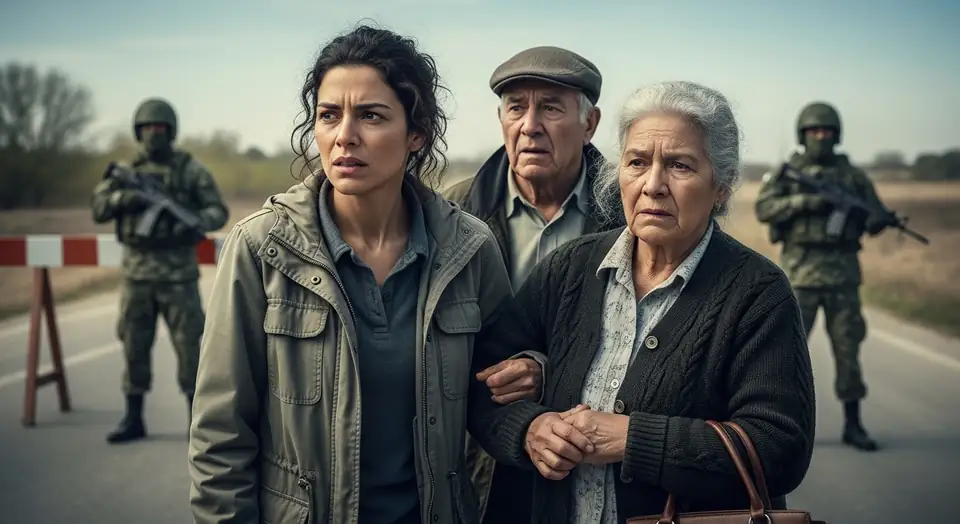
Diversificación Total de Recursos
La diversificación de recursos constituye tu mejor defensa contra confiscaciones sistemáticas. Nunca concentres todos tus recursos críticos en una sola ubicación física, nunca dependas exclusivamente de una fuente de energía, y nunca confíes en un único método de comunicación o supervivencia.
Esta estrategia se denomina “distribución de riesgos” y es utilizada por bancos internacionales, corporaciones multinacionales, y gobiernos inteligentes para proteger activos críticos. Si pierdes el acceso a una ubicación o recurso, mantienes alternativas funcionales en otras ubicaciones.
Ejemplos prácticos de diversificación:
- Alimentos: 40% en casa, 30% en ubicación familiar, 30% en ubicación alternativa
- Efectivo: Múltiples escondites en diferentes propiedades
- Herramientas: Duplicados en cada ubicación de recursos
- Medicamentos: Reservas distribuidas entre contactos de confianza
Energías Alternativas y Herramientas Manuales
Las fuentes de energía independientes te proporcionan autonomía real cuando la infraestructura tradicional se encuentra bajo control militar. Un panel solar pequeño puede mantener operativos teléfonos, linternas LED, y radios portátiles sin depender de la red eléctrica controlada.
Una bicicleta eléctrica te permite desplazarte hasta 50 kilómetros sin combustible controlado. Las herramientas manuales funcionan indefinidamente cuando no existe electricidad disponible para herramientas eléctricas.
Precaución importante: evita inversiones llamativas que atraigan atención no deseada. Un generador diesel masivo de 10,000 watts en tu patio trasero constituye una invitación directa a problemas con autoridades. Es preferible implementar varios sistemas pequeños, discretos, y distribuidos geográficamente.
Construcción de Redes Comunitarias Sólidas
Una red comunitaria organizada representa tu verdadero seguro de supervivencia a largo plazo. Una familia aislada es relativamente fácil de controlar, eliminar, o someter. Diez familias coordinadas representan un desafío significativo para autoridades. Cincuenta familias que se apoyan mutuamente son prácticamente imposibles de someter completamente.
La historia demuestra consistentemente que comunidades organizadas sobreviven crisis gubernamentales mejor que individuos aislados. Durante la ocupación nazi en Europa, las redes de resistencia más exitosas no consistían en guerrilleros profesionales solitarios, sino en vecinos ordinarios que se protegían y ayudaban sistemáticamente entre sí.
(Inserir imagen aqui sobre comunidade hispânica reunida discutindo planos de preparação. A imagem deve mostrar pessoas de diferentes idades conversando sobre estratégias de sobrevivência em ambiente familiar).
¿Qué Lecciones Históricas Nos Enseñan los Precedentes de Ley Marcial?
Los precedentes históricos de ley marcial demuestran que no se trata de ciencia ficción ni teorías conspirativas, sino de eventos documentados que han ocurrido repetidamente, incluso en democracias consolidadas.
Casos Documentados en Estados Unidos
Estados Unidos ha declarado ley marcial oficialmente más de 60 veces desde su fundación como nación independiente. Durante la Guerra Civil, ambas Guerras Mundiales, disturbios raciales de los años 1960s, huracanes devastadores, y más recientemente durante eventos como los disturbios de Los Ángeles en 1992.
En cada caso documentado, los ciudadanos perdieron temporalmente derechos constitucionales fundamentales garantizados por la Constitución estadounidense. El detalle crítico es que “temporalmente” frecuentemente se extiende durante meses o incluso años después de que la crisis original haya sido resuelta.
Experiencias en Países Hispanos
España implementó estados de excepción durante la transición democrática post-Franco, y más recientemente estados de alarma que, aunque técnicamente no constituyen ley marcial completa, suspenden derechos civiles similares. El estado de alarma implementado durante COVID-19 duró casi un año completo, restringiendo movimiento, reuniones sociales, y actividades comerciales normales.
Argentina experimentó ley marcial completa durante la dictadura militar de 1976-1983, incluyendo toque de queda absoluto, censura total de medios, confiscación sistemática de propiedades privadas, y detenciones indefinidas sin proceso judicial. También durante crisis económicas posteriores, como el “corralito” de 2001, donde se suspendieron derechos económicos básicos de acceso a ahorros personales.
Chile ha experimentado estados de sitio repetidamente, tanto durante la dictadura de Pinochet como posteriormente en democracia durante crisis sociales significativas. En 2019, durante protestas masivas, se declaró estado de emergencia que incluía toque de queda estricto y patrullas militares armadas patrullando calles residenciales.
Patrones Consistentes Internacionales
La lección histórica es inequívocamente clara: la ley marcial puede implementarse en cualquier país, bajo cualquier sistema político existente, cuando las autoridades gubernamentales consideran que las circunstancias justifican medidas extraordinarias de control social.
Una vez implementada, consistentemente dura significativamente más tiempo del que las autoridades prometen inicialmente a la población civil. Los gobiernos que la implementan no son necesariamente maliciosos, pero enfrentan presiones institucionales enormes que los llevan a priorizar control gubernamental por encima de libertades individuales civiles.
¿Cómo Implementar Preparación Psicológica Para Situaciones de Control Extremo?
La preparación psicológica para ley marcial es igualmente importante que la preparación física y material, porque situaciones de control gubernamental extremo generan niveles masivos de estrés, ansiedad, depresión, y confusión mental que pueden comprometer tu capacidad de tomar decisiones racionales bajo presión extrema.
Desarrollar Resiliencia Mental
Tu mente debe estar específicamente preparada para funcionar efectivamente cuando las reglas sociales normales se suspenden completamente. Esto incluye practicar escenarios mentalmente de forma regular: ¿Qué harías exactamente si autoridades militares tocan tu puerta a las 3 AM? ¿Cómo reaccionarías específicamente si te ordenan permitir inspección completa de tu propiedad?
¿Tienes un plan detallado si tu estrategia principal falla completamente? ¿Y si ese plan de respaldo también falla? La preparación mental efectiva requiere pensar varios niveles de profundidad en múltiples escenarios posibles.
Mantener Calma Operacional
Durante crisis de control extremo, las decisiones impulsivas o emocionales frecuentemente resultan en consecuencias graves e irreversibles. La capacidad de mantener calma operacional – pensar claramente bajo presión extrema – puede literalmente determinar la supervivencia familiar.
Esto se practica mediante visualización regular de escenarios, discusiones familiares sobre protocolos de emergencia, y desarrollo de respuestas automáticas a situaciones de crisis que no requieran decisiones complejas bajo estrés extremo.
¿Qué Errores Comunes Cometen los Preppers Al Prepararse Para Ley Marcial?
Muchos preppers cometen errores críticos en su preparación para situaciones de ley marcial que pueden comprometer seriamente su seguridad y efectividad durante crisis reales de control gubernamental.
Concentración Excesiva de Recursos
El error más común es mantener todos los recursos críticos en una sola ubicación, generalmente la residencia principal. Si las autoridades identifican y registran esa ubicación, pierdes acceso simultáneo a todos tus recursos de supervivencia.
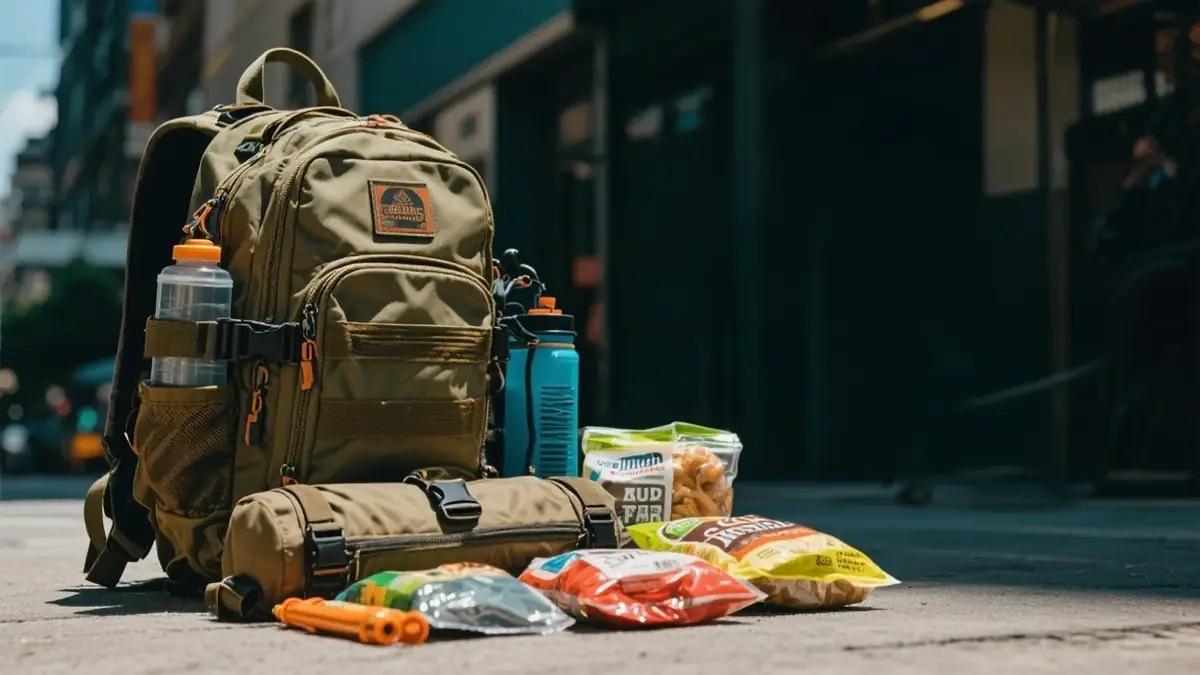
La mentalidad de “fortaleza” – convertir tu casa en un búnker impenetrable – es especialmente problemática durante ley marcial porque las autoridades tienen recursos militares completos, incluyendo equipo pesado, para superar cualquier defensa civil.
Dependencia Excesiva en Tecnología
Muchos preppers planifican comunicaciones basadas exclusivamente en radios, internet, o teléfonos celulares, sin considerar que las autoridades militares pueden interferir, bloquear, o rastrear cualquier tecnología de comunicación civil.
La dependencia en equipos electrónicos para navegación, comunicación, o supervivencia básica se convierte en una vulnerabilidad crítica cuando esos sistemas son bloqueados o confiscados por autoridades de control.
Aislamiento Social Excesivo
La mentalidad de “llanero solitario” es especialmente contraproducente durante ley marcial. Las autoridades pueden controlar o eliminar individuos aislados mucho más fácilmente que comunidades organizadas que se apoyan mutuamente.
Preppers que evitan construir relaciones comunitarias sólidas se privan de la estrategia de supervivencia más efectiva históricamente: redes de apoyo mutuo que distribuyen riesgos y recursos entre múltiples familias coordinadas.
Preguntas Frecuentes Sobre Preparación Para Ley Marcial
¿Cuánto tiempo típicamente dura la ley marcial una vez declarada?
Históricamente, la duración varía desde semanas hasta años. El estado de alarma en España durante COVID-19 duró casi un año. La ley marcial en Argentina durante la dictadura militar se extendió por 7 años. En Estados Unidos, algunos estados de emergencia se han mantenido activos durante meses después de la crisis original.
¿Es legal que el gobierno confisque propiedades privadas durante ley marcial?
Bajo ley marcial, las autoridades militares tienen poderes extraordinarios que suspenden temporalmente muchos derechos constitucionales normales, incluyendo derechos de propiedad. Existen precedentes legales documentados de confiscaciones durante emergencias nacionales en múltiples países democráticos.
¿Qué cantidad de suministros debo almacenar para mi familia?
Los expertos recomiendan mínimo 30 días de suministros básicos (agua, alimentos, medicamentos) por persona, idealmente 90 días. Sin embargo, durante ley marcial, la duración puede extenderse indefinidamente, por lo que muchos preppers apuntan a 6-12 meses de suministros distribuidos en múltiples ubicaciones.
¿Cómo puedo proteger mis ahorros durante una crisis financiera asociada con ley marcial?
La diversificación es clave: efectivo físico en casa, metales preciosos, criptomonedas en wallets offline, y activos que mantengan valor independientemente del sistema bancario tradicional. Evita mantener todos tus recursos financieros en cuentas bancarias que pueden ser bloqueadas.
⚡ ¿Quieres la Estrategia Completa?
Si hasta aquí te está gustando lo que lees, imagínate tener acceso a la guía completa con estrategias paso a paso que no encontrarás en ningún otro lugar.
- Estrategias reales probadas en crisis anteriores
- Guía paso a paso para empezar desde cero
- Métodos de almacenamiento seguro que los bancos no quieren que conozcas
- 39 páginas de contenido exclusivo y práctico

💎 Acceso inmediato • Valor simbólico • Protege tu futuro financiero hoy
¿Debo formar parte de un grupo de preppers organizado?
Las redes comunitarias sólidas históricamente han demostrado mayor supervivencia que individuos aislados. Sin embargo, mantén discreción sobre tus preparaciones específicas. Enfócate en construir relaciones con vecinos de confianza basadas en apoyo mutuo, no necesariamente en grupos formales de preppers.
## Conclusión: Tu Preparación Comienza Hoy
La preparación efectiva para ley marcial no es paranoia, sino responsabilidad personal basada en precedentes históricos documentados. Los gobiernos han implementado controles extraordinarios repetidamente a lo largo de la historia, y prepararse para esas posibilidades es simplemente actuar con prudencia informada.
Las cinco categorías de confiscaciones que hemos analizado – armas, recursos financieros, combustible, alimentos, y comunicaciones – representan los pilares de tu autonomía personal que históricamente han sido los primeros en ser controlados durante emergencias nacionales.
Tu estrategia de preparación debe enfocarse en diversificación inteligente, desarrollo de redes comunitarias sólidas, preparación psicológica continua, y implementación de sistemas de respaldo que no dependan de infraestructura controlable por autoridades gubernamentales.
Recuerda que como preppers y sobrevivencialistas, entendemos que la verdadera libertad viene de la preparación proactiva, no de esperar que “nunca nos tocará a nosotros.” La historia nos enseña que las crisis llegan cuando menos las esperamos, y quienes se preparan adecuadamente protegen mejor a sus familias.
Para obtener estrategias más detalladas y análisis profundo de estos temas, te invitamos a ver nuestros videos especializados en Pilares de la Libertad en YouTube, donde explicamos técnicas específicas, casos de estudio adicionales, y respondemos preguntas de nuestra comunidad prepper.
La preparación es un camino continuo, no un destino final. Cada paso que tomas hacia mayor autonomía y preparación te acerca más a la verdadera independencia, incluso cuando las circunstancias externas intentan limitar esa libertad.
Referencias Confiables
Instituto RAND Corporation
Organización de investigación estadounidense especializada en análisis de políticas de seguridad nacional y estudios sobre implementación de ley marcial. Sus investigaciones proporcionan datos objetivos sobre cronologías y procedimientos durante emergencias gubernamentales.
URL: https://www.rand.org
Institute for Justice
Organización legal estadounidense que documenta casos de confiscaciones gubernamentales y violaciones de derechos civiles durante emergencias. Mantiene registros detallados del caso Huracán Katrina y otras confiscaciones documentadas.
URL: https://ij.org
Fondo Monetario Internacional (FMI)
Institución financiera internacional que publica estudios sobre controles financieros gubernamentales durante crisis nacionales, incluyendo análisis de casos como Argentina 2001 y Chipre 2013.
URL: https://www.imf.org
Departamento de Seguridad Interna de Estados Unidos
Fuente oficial para directrices de preparación para emergencias y protocolos de respuesta durante crisis nacionales. Proporciona información verificable sobre procedimientos gubernamentales durante emergencias.
URL: https://www.dhs.gov
Centro Nacional de Preparación para Desastres de España
Organismo oficial español que publica guías de preparación para emergencias y análisis de respuestas gubernamentales durante crisis nacionales, incluyendo estados de alarma implementados recientemente.
URL: https://www.proteccioncivil.es