
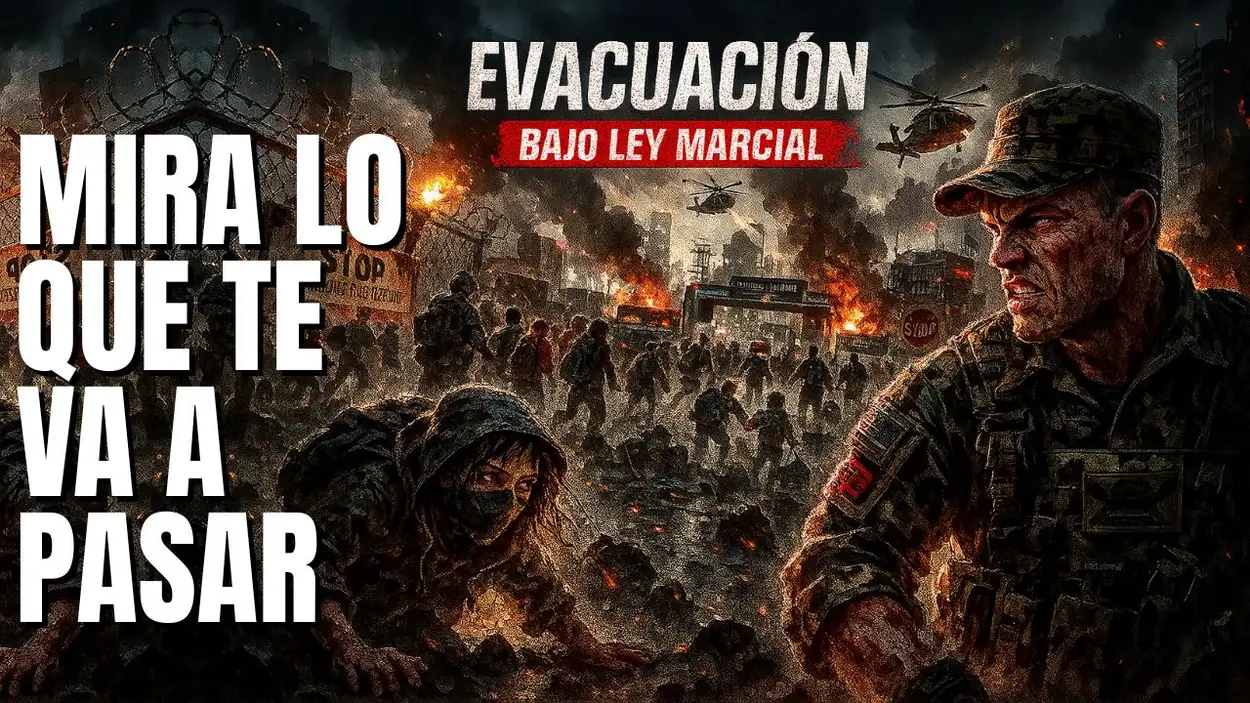
Imagina despertar un día y descubrir que tu ciudad está bajo control militar total. Las calles que conoces ahora tienen patrullas armadas en cada esquina, checkpoints inesperados, y cualquier movimiento sospechoso puede significar tu detención inmediata. ¿Sabrías cómo moverte de forma segura en este escenario? Hoy descubrirás 6 Técnicas de Evasión que pueden salvarte la vida.
Esta situación no es ficción. En los últimos años hemos presenciado implementaciones de ley marcial en países como Myanmar, episodios durante los primeros días de la invasión de Ucrania, y situaciones de control militar severo en varias naciones latinoamericanas. Según informes de Human Rights Watch, más de 50 países han implementado algún tipo de ley marcial o estado de sitio en la última década.
La preparación para escenarios de supervivencia urbana bajo ley marcial requiere conocimientos específicos sobre movimiento táctico, evasión de detección, y planificación de contingencia. En este artículo completo, basado en nuestros análisis detallados del canal Pilares de la Libertad, aprenderás seis estrategias fundamentales que pueden marcar la diferencia entre pasar desapercibido o ser identificado como una amenaza.
Como preppers y supervivencialistas responsables, nuestra obligación es estar preparados para cualquier escenario de incertidumbre. Esta información práctica te proporcionará herramientas reales y aplicables para situaciones críticas. https://youtu.be/c51pAnK9KIw
Lo que encontrarás aquí:
¿Cómo Identificar Patrones de Patrullaje Militar para Moverte sin Ser Detectado?
Las fuerzas militares no patrullan de manera aleatoria durante la ley marcial. Siguen patrones específicos basados en manuales tácticos estándar que, una vez identificados, pueden proporcionarte ventanas de oportunidad para el movimiento seguro.
Elementos Clave del Control Militar Urbano
Todo operativo militar bajo ley marcial tiene tres componentes fundamentales:
- Puntos de control fijos: Establecidos en intersecciones principales, puentes, accesos a edificios gubernamentales
- Patrullas móviles: Circulares o lineales con rutas predecibles
- Horarios de cambio de turno: Momentos de mayor vulnerabilidad operacional
Los puntos de control se establecen típicamente siguiendo protocolos militares estándar. Según el manual de operaciones urbanas utilizado por fuerzas armadas internacionales, estos puntos operan en turnos de 8 a 12 horas, con cambios más vulnerables entre las 6:00-7:00 de la mañana y 18:00-19:00 de la tarde.
Técnicas de Mapeo y Observación
Para identificar efectivamente estos patrones, necesitas observación sistemática durante al menos 72 horas continuas. Durante este período, registra meticulosamente:
- Horarios exactos de patrullas y sus variaciones
- Rutas específicas que siguen las fuerzas
- Tiempo de recorrido de cada tramo
- Momentos de mayor y menor actividad
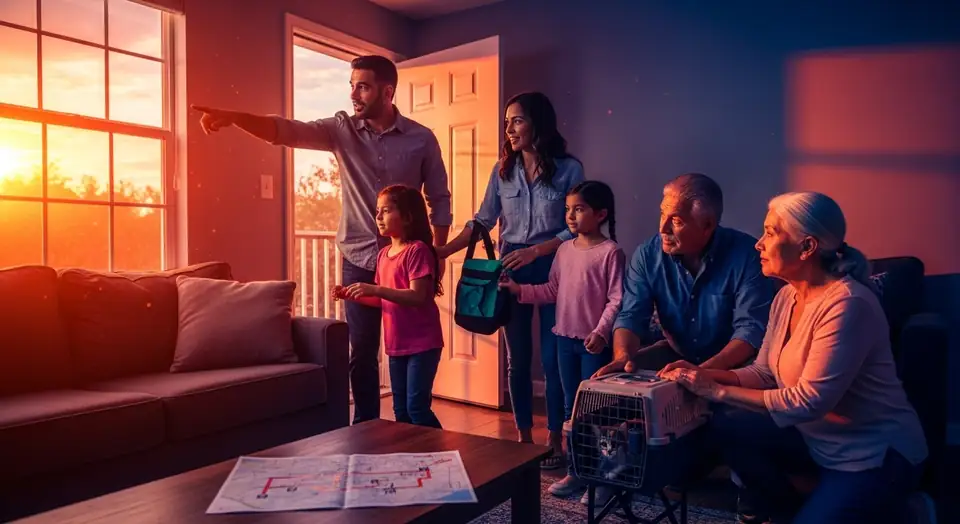
Las patrullas móviles generalmente siguen dos tipos de patrones: circulares (cubren un perímetro específico y regresan al punto inicial) o lineales (van de punto A a punto B y regresan). El tiempo promedio de una patrulla circular urbana es de 30 a 45 minutos, mientras que una patrulla lineal requiere entre 20 a 30 minutos.
Factores Humanos en Operaciones Militares
Un aspecto crucial que muchos supervivencialistas pasan por alto: los militares también tienen necesidades humanas básicas. Durante períodos de descanso, alimentación, y atención de necesidades personales, la vigilancia se reduce significativamente. Identifica las ubicaciones de sus bases de operaciones, centros de comando temporal, y vehículos de apoyo.
(Inserir imagem aqui sobre patrulla militar urbana. A imagem deve mostrar soldados patrullando uma área urbana, relevante para o contexto de lei marcial e público hispânico, ex: Patrulha militar em zona urbana latinoamericana)
💡 Insight Clave: En culturas hispánicas, las fuerzas militares suelen intensificar patrullajes durante festividades religiosas o fechas patrias. Conocer el calendario local te proporciona ventaja estratégica para anticipar períodos de mayor o menor vigilancia.
¿Cuáles Son las Rutas Alternativas Más Efectivas que los Militares Pasan por Alto?
El control militar prioriza vías principales, dejando una extensa red de rutas alternativas frecuentemente fuera de su vigilancia inmediata. La clave está en desarrollar pensamiento tridimensional para el movimiento urbano.
Niveles de Movimiento Urbano
No limites tu planificación solo a calles. Considera estos niveles:
Nivel Subterráneo:
- Sistemas de metro con accesos de emergencia
- Redes de drenaje urbano (requiere equipos de seguridad)
- Túneles de servicios públicos
- Estacionamientos subterráneos con múltiples salidas
Nivel de Calle:
- Calles residenciales secundarias
- Pasillos de centros comerciales
- Galerías comerciales interconectadas
Nivel Elevado:
- Puentes peatonales
- Conexiones entre edificios
- Senderos en cerros urbanos
Rutas Civiles Naturales
Las rutas más efectivas son las “rutas civiles naturales”: caminos que cualquier ciudadano común utilizaría para actividades cotidianas. Estas incluyen senderos entre edificios residenciales, patios de complejos habitacionales, áreas verdes como parques con múltiples accesos, y comercios con entradas y salidas por calles diferentes.
Ejemplo Práctico de Ruta Alternativa:
En lugar de usar la Avenida Principal para desplazarte del punto A al B, utiliza calles residenciales paralelas, transitando por patios de edificios, estacionamientos públicos, y comercios con acceso dual. Esta ruta puede ser 40% más larga, pero reduce tu exposición a controles militares en aproximadamente 80%.
Adaptación Geográfica por Región
Para el público argentino y chileno:
- Buenos Aires: Aprovecha la red extensa de galerías comerciales subterráneas que conectan cuadras enteras
- Santiago: Utiliza cerros urbanos con senderos que permiten movimiento elevado sobre la ciudad
Para residentes en Estados Unidos:
- Ciudades con diseño de cuadrícula (Chicago, Denver): Aprovecha los callejones (alleys) paralelos a calles principales
- Estas vías raramente son patrulladas con la misma intensidad
Planificación de Múltiples Rutas
Siempre mantén al menos tres rutas diferentes para cada destino crítico:
| Tipo de Ruta | Características | Uso Recomendado |
|---|---|---|
| Ruta Principal | La más corta y segura | Condiciones normales de ley marcial |
| Ruta de Respaldo | Evita puntos de la principal | Cuando la principal está comprometida |
| Ruta de Emergencia | La más discreta aunque sea la más larga | Situaciones de alta vigilancia |
💡 Insight Clave: Los mejores horarios para rutas alternativas son muy temprano en la mañana (5:00-6:30), durante cambios de turno (6:00-7:00 y 18:00-19:00), y durante condiciones climáticas adversas como lluvia intensa o neblina densa.
¿Dominas las Técnicas de Camuflaje Urbano que Realmente Funcionan?
El camuflaje urbano efectivo no consiste en pintarte la cara de verde, sino en convertirte en completamente invisible a plena vista. Es el arte refinado de la invisibilidad civil.
La Regla de Oro del Camuflaje Urbano
Nunca destacar, siempre encajar. Tu vestimenta debe ser común, tu comportamiento natural, y tu ritmo debe coincidir con el flujo normal de la zona específica. Estudios de comportamiento militar demuestran que los observadores identifican amenazas principalmente por anomalías en patrones establecidos, no por características físicas específicas.
Técnicas Avanzadas de Camuflaje Civil
Primera Técnica: Camuflaje por Contexto
- Zona comercial: Porta bolsas de compras con productos visibles
- Área de oficinas: Lleva portafolios o mochilas profesionales
- En España: Una bolsa del Mercadona o El Corte Inglés te hace prácticamente invisible entre compradores cotidianos
- En México: Bolsas de Oxxo o Walmart proporcionan camuflaje natural
Segunda Técnica: Movimiento Adaptativo
Observa meticulosamente cómo camina la población local y adapta tu velocidad y postura corporal. Los militares están entrenados para detectar movimientos militares característicos: pasos regulares, postura rígida, miradas constantes de reconocimiento táctico.
Adopta patrones civiles naturales:
- Pasos irregulares y variados
- Paradas ocasionales y espontáneas
- Gestos naturales y relajados
- Interacciones casuales con el entorno
Tercera Técnica: Camuflaje Temporal
Los mejores momentos para movimiento camuflado coinciden con actividades civiles intensas:
- Entrada y salida de trabajos (7:00-9:00, 17:00-19:00)
- Horarios escolares (7:30-8:30, 13:00-14:00, 17:00-18:00)
- Mercados y comercios (mañanas de sábado)
- Eventos religiosos (domingos en países católicos)
Cuarta Técnica: Aprovechamiento de Distracciones Ambientales
Utiliza estratégicamente:
- Construcciones y obras públicas
- Trabajo de servicios públicos
- Eventos locales y celebraciones comunitarias
- Manifestaciones (mantén distancia, nunca te involucres directamente)
Adaptación Cultural Hispánica
Quinta Técnica Específica: Aprovecha las dinámicas familiares características de culturas latinas. Es común observar familias completas moviéndose juntas, especialmente los fines de semana. Integrarse discretamente a estos grupos (manteniendo distancia respetuosa) puede proporcionar camuflaje natural excepcional.
Lenguaje Corporal y Comunicación No Verbal
Tu lenguaje corporal comunica más información que tu vestimenta.
Evita absolutamente:
- Mirar constantemente alrededor de forma obvia
- Caminar en línea perfectamente recta por períodos prolongados
- Detenerte súbitamente sin justificación aparente
- Tocar objetos innecesarios o revisar constantemente tu equipo
Adopta naturalmente:
- Conversaciones casuales con acompañantes (reales o simuladas)
- Paradas naturales en vitrinas, señalizaciones, o puntos de interés
- Gestos locales comunes y expresiones culturales apropiadas
- Ritmo de movimiento coherente con la demografía local
(Inserir imagem aqui sobre pessoa se camuflando em ambiente urbano. A imagem deve mostrar alguém vestido de forma casual, misturando-se naturalmente com pedestres em uma área urbana hispânica, ex: Pessoa caminhando naturalmente em mercado ou área comercial latinoamericana)
💡 Insight Clave: Para diferentes condiciones climáticas, adapta tu camuflaje: la lluvia permite capuchas y paraguas que ocultan el rostro naturalmente; el calor extremo justifica gorras y gafas; el frío permite múltiples capas que alteran tu silueta corporal.
¿Sabes Establecer Comunicaciones Seguras cuando las Líneas Convencionales Están Comprometidas?
Durante situaciones de ley marcial, las comunicaciones electrónicas son las primeras en ser monitoreadas, interceptadas, o completamente deshabilitadas. Por esta razón, necesitas sistemas de comunicación alternativos que funcionen independientemente de la infraestructura convencional.
Realidad de la Vigilancia de Comunicaciones
Toda comunicación electrónica debe considerarse comprometida: celulares, internet, email, aplicaciones de mensajería instantánea. Según reportes de Amnistía Internacional, durante situaciones de ley marcial, los gobiernos implementan vigilancia masiva de comunicaciones en promedio dentro de las primeras 48 horas del decreto.
La Comunicación Más Segura: Pre-Planificación
La estrategia de comunicación más efectiva es la comunicación pre-planificada. Antes de cualquier crisis potencial, establece con tu familia y personas de confianza:
- Puntos de encuentro específicos y alternativos
- Horarios de verificación regulares y de emergencia
- Códigos de comunicación simples y memorables
- Protocolos de emergencia claros y practicados
Esta preparación elimina significativamente la necesidad de comunicación durante el evento crítico real.
Sistema de Señales Visuales
Establecimiento de Códigos Visuales:
Desarrolla códigos simples utilizando elementos completamente cotidianos:
- Una toalla específica en la ventana = “todo está bien”
- Una maceta en posición diferente = “situación de peligro”
- Luces encendidas en patrones específicos = diferentes mensajes codificados
- En edificios de departamentos (comunes en España y Argentina), estas señales pueden funcionar efectivamente entre pisos diferentes
Comunicación por Intermediarios Confiables
Identifica personas que, por su trabajo o posición social, tienen mayor libertad de movimiento durante crisis:
- Personal médico y paramédicos
- Trabajadores de servicios públicos esenciales
- Personal religioso y líderes comunitarios
- Trabajadores de distribución de alimentos
Estos intermediarios pueden transportar mensajes cuando el movimiento directo es imposible o extremadamente riesgoso.
Uso Estratégico de Radios de Dos Vías
Los walkie-talkies básicos operan en frecuencias que requieren equipos especializados para monitoreo efectivo. Utilízalos exclusivamente para:
- Mensajes críticos únicamente
- Horarios específicos pre-acordados
- Códigos simples pre-establecidos
- Comunicaciones breves (máximo 30 segundos)
La distancia efectiva en entorno urbano es de 2-5 kilómetros, dependiendo de obstáculos arquitectónicos y topográficos.
📡 ¿Quieres Dominar Tu Baofeng UV-5R?
Si te está gustando esta información, imagínate tener acceso a los 7 secretos avanzados que transformarán tu radio en una herramienta profesional de comunicación de emergencia.
⚠️ Realidad: En una emergencia real, no tendrás tiempo para “aprender sobre la marcha”. Necesitas dominarlo ANTES de que sea crítico.
- Configuración profesional paso a paso
- Técnicas de alcance máximo que pocos conocen
- Protocolos de emergencia familiares
- Secretos de radioaficionados experimentados

📡 Acceso inmediato • Conocimiento práctico • Precio simbólico • Cuando las líneas caen, tú sigues conectado
Sistemas de Mensajería Física
Establece lugares específicos para mensajes escritos:
- Bajo rocas específicas en parques públicos
- Dentro de libros particulares en bibliotecas
- En lugares de culto designados
- Buzones informales en comercios de confianza
Importante: Esto requiere planificación previa detallada y códigos escritos simples que no comprometan la seguridad si son descubiertos.
💡 Insight Clave: Para el público en Estados Unidos, aprovecha la cultura de Ham Radio (radioaficionados). Estados Unidos posee una de las redes más extensas de radioaficionados del mundo, con protocolos establecidos específicamente para emergencias. Familiarízate con operadores locales antes de necesitarlos.
¿Estás Preparado Mental y Físicamente para Mantener la Calma bajo Presión Extrema?
La preparación técnica más sofisticada resulta completamente inútil si tu mente y cuerpo colapsan bajo presión extrema. La diferencia crítica entre sobrevivir exitosamente y ser capturado frecuentemente se reduce a tu capacidad de mantener la calma y tomar decisiones correctas durante momentos de estrés máximo.
Fundamentos de la Preparación Mental
Según estudios especializados del ejército israelí, el 70% de errores fatales en situaciones de supervivencia urbana se deben específicamente al pánico descontrolado, no a falta de conocimiento técnico. Tu mente constituye tu herramienta más poderosa y crítica.
⚠️ Antes de Continuar…
Si te preocupa realmente la seguridad de tu familia, necesitas más que solo consejos básicos. Necesitas un plan completo.
- 10 medidas económicas probadas en situaciones reales
- Checklists paso a paso para aplicar inmediatamente
- Protocolos familiares de emergencia
- Guía práctica de cámaras y sensores
- Descarga inmediata – úsalo desde tu móvil
🛡️ Protege tu hogar HOY • Precio simbólico • Acceso inmediato
Técnicas Mentales Avanzadas
Primera Técnica: Visualización Repetitiva Sistemática
Dedica 10 minutos diarios a visualizar escenarios completos desde el inicio hasta la conclusión exitosa: desde detectar una patrulla hasta completar una ruta alternativa exitosamente. Crucialmente, visualiza también escenarios problemáticos: cómo reaccionar si eres detenido, cómo responder ante interrogatorios, cómo mantener tu historia consistente bajo presión.
La visualización detallada crea “memoria muscular mental” que permite respuestas automáticas efectivas durante situaciones reales de estrés.
Segunda Técnica: Práctica de Respiración bajo Estrés
Cuando tu ritmo cardíaco se acelera debido a adrenalina, tu capacidad de pensamiento racional disminuye dramáticamente. Domina la técnica de respiración 4-7-8:
- Inhala por 4 segundos
- Mantén la respiración por 7 segundos
- Exhala controladamente por 8 segundos
Practica esta técnica durante situaciones cotidianas estresantes para crear un reflejo automático utilizable durante emergencias reales.
Tercera Técnica: Desarrollo de Múltiples Identidades Psicológicas
No se trata de crear personalidades falsas, sino de poder adoptar diferentes “modos operacionales” según la situación específica:
- Modo trabajador matutino
- Modo comprador casual de fin de semana
- Modo visitante familiar
- Cada modo debe tener su ritmo característico, postura natural, y preocupaciones típicas
Preparación Física Fundamental
No necesitas ser un atleta profesional, pero sí requieres:
- Resistencia básica para caminar largas distancias
- Capacidad de permanecer inmóvil durante períodos prolongados
- Flexibilidad para moverte en espacios limitados
Ejercicios de Acondicionamiento Específico
Ejercicio 1: Caminatas de Resistencia Progresiva
Practica caminar distancias incrementales (5-10 kilómetros inicialmente) a ritmo normal, cargando una mochila con peso similar al que portarías en una situación real. Realiza estos entrenamientos en diferentes condiciones climáticas y horarios variados.
Ejercicio 2: Práctica de Inmovilidad Controlada
Parece simple, pero mantener una posición durante 30-45 minutos sin movimientos obvios o sospechosos requiere acondicionamiento específico. Practica durante actividades cotidianas: esperando transporte público, en filas comerciales, durante eventos comunitarios.
Ejercicio 3: Flexibilidad y Movimiento en Espacios Reducidos
Practica regularmente: agacharte, arrastrarte, y pasar por espacios estrechos. Muchos adultos pierden estas capacidades con la edad, pero pueden ser absolutamente cruciales para utilizar rutas alternativas efectivamente.
Gestión del Estrés Familiar en Contexto Hispánico
En culturas latinas, la responsabilidad familiar es particularmente intensa. Practica mentalmente tomar decisiones extremadamente difíciles sobre cuándo sacrificar necesidades del grupo por supervivencia individual, y viceversa. Estas decisiones representan los desafíos emocionales más intensos.
Preparación Nutricional Estratégica
Tu organismo necesita energía sostenida durante períodos de estrés extremo. Practica períodos de ayuno controlado para aclimatar tu cuerpo a funcionar eficientemente con recursos limitados. Identifica alimentos de alta energía fácilmente disponibles: frutos secos, barras energéticas compactas, chocolate negro.
💡 Insight Clave: La gestión efectiva del miedo es fundamental – es completamente normal sentir miedo. El objetivo no es eliminarlo, sino canalizarlo productivamente. El miedo controlado te mantiene alerta y precavido; el pánico descontrolado te paraliza completamente.
¿Tienes Planes de Contingencia Reales para cuando tu Plan Principal Falla?
La realidad inmutable de cualquier situación de supervivencia es que los planes fallan regularmente. La Ley de Murphy es especialmente aplicable bajo ley marcial: todo lo que puede salir mal, saldrá mal precisamente en el peor momento posible. Por esta razón crítica, necesitas no uno, sino múltiples planes completamente interconectados.
Estructura de Contingencia de Cuatro Niveles
Plan A (Condiciones Ideales): Tu ruta y estrategia principal. Debe ser la más directa, rápida, y con mayor probabilidad de éxito bajo condiciones estándar de ley marcial.
Plan B (Complicaciones Menores): Activado cuando encuentras obstáculos menores como un checkpoint nuevo, patrulla fuera de horario programado, o clima adverso inesperado.
Plan C (Complicaciones Mayores): Para situaciones donde tu identidad ha sido comprometida, tus rutas principales están bloqueadas, o existen operativos específicos de búsqueda activa.
Plan D (Evacuación de Emergencia Total): Cuando permanecer en la zona es completamente imposible y requiere evacuación hacia zonas rurales o ciudades diferentes.
Elementos Críticos Universales
Mapas Físicos Detallados
Los sistemas GPS fallan, las baterías se agotan, las señales son bloqueadas intencionalmente. Mantén mapas en papel, plastificados, con rutas marcadas claramente:
- España: Mapas del Instituto Geográfico Nacional
- México: Mapas del INEGI (Instituto Nacional de Estadística y Geografía)
- Argentina: Mapas del Instituto Geográfico Nacional argentino
Puntos de Suministros Distribuidos
Nunca dependas de un solo escondite de suministros. Distribuye recursos básicos en al menos tres ubicaciones estratégicamente diferentes:
- Uno cerca de tu residencia habitual
- Uno en ruta hacia tu destino primario
- Uno en tu destino final designado
Cada punto debe incluir: agua potable, comida no perecedera, dinero en efectivo, documentos de respaldo, medicinas básicas esenciales.
Identidades Documentales Múltiples
No se trata de falsificaciones ilegales, sino de documentos completamente legítimos que justifiquen naturalmente tu presencia en diferentes áreas geográficas:
- Credencial laboral o profesional
- Identificación de estudiante (educación continua)
- Membresía de gimnasio, club, o asociación
- Cualquier documentación que explique orgánicamente por qué estás donde estás
Red de Contactos Distribuida Geográficamente
Establece contactos estratégicos en:
- Tu zona actual de residencia
- Zonas de tránsito planificadas
- Tu destino final designado
- Ubicaciones de emergencia alternativas
Principio de Compartimentación: Cada contacto debe conocer únicamente las partes del plan que les corresponden directamente, nunca el plan completo por razones de seguridad operacional.
Protocolos de Tiempo Específicos
Cada plan debe tener límites temporales estrictos y automatizados:
- Si Plan A no se completa en X horas → cambio automático a Plan B
- Si Plan B falla en Y tiempo → transición inmediata a Plan C
- Plan C tiene Z tiempo máximo → activación de Plan D
Esta estructura evita el error psicológico de aferrarse a planes que ya no son viables.
Consideraciones Especiales para Zonas Fronterizas
Para residentes en áreas fronterizas (España-Francia, México-Estados Unidos, Argentina-Chile), los planes de contingencia pueden incluir estrategias de cruce internacional:
- Conocimiento de puntos de cruce menos monitoreados
- Documentación necesaria actualizada
- Contactos confiables del otro lado de la frontera
- Protocolos legales de refugio temporal
💡 Insight Clave: Práctica regular y revisión constante son esenciales. Cada plan debe ser probado parcialmente al menos cada seis meses. Las ciudades cambian, las situaciones políticas evolucionan, y tu situación personal se modifica. Actualiza todos los planes cada tres meses.
Conclusión: Tu Preparación Determina Tu Libertad
La supervivencia bajo ley marcial no depende de la suerte, sino de la preparación meticulosa y el conocimiento aplicado. Las seis estrategias fundamentales que hemos analizado – identificación de patrones militares, rutas alternativas, camuflaje urbano, comunicaciones seguras, preparación mental y física, y planes de contingencia – constituyen un sistema integral de supervivencia urbana.
Cada técnica debe ser practicada regularmente, adaptada a tu contexto geográfico específico, y constantemente refinada basándose en cambios en tu entorno local. La preparación efectiva requiere dedicación continua, no esfuerzos esporádicos.
Tu próximo paso: Selecciona una de estas estrategias e inicia su implementación esta semana. La preparación gradual y consistente supera significativamente a los esfuerzos intensos pero temporales.
Para análisis más detallados y demostraciones prácticas de estas técnicas de supervivencia, te invitamos a explorar nuestros videos especializados en Pilares de la Libertad, donde encontrarás contenido actualizado y estrategias avanzadas de preparación.
Recuerda: un prepper preparado es un ciudadano verdaderamente libre. La libertad no se regala – se conquista con preparación inteligente y conocimiento aplicado.
Preguntas Frecuentes (FAQ)
¿Es legal prepararse para situaciones de ley marcial?
Absolutamente sí. La preparación para emergencias y situaciones de crisis es completamente legal y recomendada por organizaciones gubernamentales de protección civil. Prepararse no implica actividades ilegales, sino responsabilidad ciudadana.
¿Cuánto tiempo debo dedicar diariamente a la preparación?
Dedica inicialmente 15-20 minutos diarios a planificación y práctica mental. Una vez establecidas las rutinas básicas, 30 minutos semanales son suficientes para mantener y actualizar tus planes de contingencia.
¿Qué hago si vivo en un departamento pequeño y no puedo almacenar suministros?
Utiliza la estrategia de “distribución externa”: establece pequeños depósitos de suministros en ubicaciones seguras fuera de tu residencia – oficina, casa de familiares, o instalaciones de almacenamiento comercial.
¿Es necesario involucrar a toda mi familia en la preparación?
Sí, pero gradualmente. Comienza con información básica y aumenta progresivamente el nivel de detalle según la edad y capacidad de comprensión de cada miembro familiar.
¿Cómo mantengo actualizados mis planes de contingencia?
Establece recordatorios trimestrales para revisar: cambios en tu área geográfica, actualización de contactos, renovación de suministros, y práctica de rutas alternativas.
Referencias Confiables
Organización de las Naciones Unidas – Oficina de Coordinación de Asuntos Humanitarios
Recursos oficiales sobre preparación para emergencias y protección de civiles durante crisis políticas y militares.
https://www.unocha.org/
Cruz Roja Internacional
Guías especializadas en preparación familiar para emergencias, primeros auxilios, y supervivencia urbana durante desastres naturales y crisis civiles.
https://www.icrc.org/
Departamento de Seguridad Nacional de Estados Unidos – FEMA
Manuales oficiales de preparación para emergencias, incluyendo situaciones de alteración del orden público y crisis de seguridad nacional.
https://www.fema.gov/
Human Rights Watch
Informes detallados sobre implementación de ley marcial y estados de excepción en diferentes países, proporcionando contexto histórico valioso para preparación.
https://www.hrw.org/